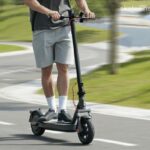
This article will delve into the recent decline in micromobility usage across various U.S. cities, examining the factors that contribute to this trend. We will address issues such as infrastructure limitations, safety concerns, and changing consumer preferences. Furthermore, the content will present suggestions and ideas on how cities can revitalize micromobility options and promote their adoption among residents. By understanding the challenges and opportunities within this sector, we aim to illuminate the future of urban transportation.
Understanding Micromobility Trends
Micromobility refers to small, lightweight vehicles such as e-scooters, bicycles, and e-bikes that facilitate short-distance transportation. This mode of transport has gained significant popularity over the past few years, especially in urban areas where congestion and parking issues are ongoing challenges. According to recent studies, the micromobility market is projected to experience substantial growth, fueled by the demand for sustainable and efficient transportation solutions. However, some cities have reported a decline in micromobility usage, which calls for a deeper investigation into the factors influencing this trend.
Factors Contributing to Usage Decline
Several reasons have been identified that contribute to the decline in micromobility usage in certain urban areas:
- Increased Competition: The once-thriving market for micromobility has seen a surge in options, leading to market saturation. With numerous providers vying for attention, users may become overwhelmed or indifferent.
- Safety Concerns: Accidents involving micromobility vehicles have raised significant safety concerns among users. Reports of injuries often deter potential riders from opting for e-scooters or bicycles.
- Regulatory Challenges: Many cities have imposed strict regulations on micromobility operations, including limitations on where vehicles can be parked or operated. These regulations can hinder user convenience and accessibility.
- Weather Conditions: Adverse weather can significantly impact micromobility usage. Rain, snow, or extreme temperatures can deter users from choosing this mode of transport.
City-Specific Case Studies
To better understand the decline in micromobility usage, examining specific cities can provide valuable insights:
- San Francisco: Once a pioneer in micromobility, San Francisco has seen a reduction in e-scooter usage due to increased regulations and safety concerns. The city implemented a permit system that limited the number of scooters on the streets, which inadvertently affected availability and user interest.
- New York City: Despite being a densely populated urban center, New York City has faced challenges with micromobility adoption. The lack of dedicated bike lanes and ongoing construction projects has made cycling and scooting less appealing. Additionally, safety concerns regarding street traffic contribute to lower usage rates.
- Los Angeles: In Los Angeles, the initial excitement surrounding e-scooters has waned. The city’s sprawling nature and inadequate infrastructure for safe riding deter users. Moreover, many riders have cited theft and vandalism as significant concerns, impacting their willingness to use shared vehicles.
The Role of Infrastructure
Infrastructure plays a crucial role in the success of micromobility services. Cities that have invested in dedicated bike lanes, parking zones, and safe riding environments have experienced higher adoption rates. Conversely, cities lacking this infrastructure face challenges that discourage usage. Key elements of effective infrastructure include:
- Dedicated Bike Lanes: Safe, well-maintained bike lanes are essential for encouraging micromobility. They provide a secure space for riders, reducing the risk of accidents.
- Parking Solutions: Designated parking zones for e-scooters and bicycles can help keep sidewalks clear and reduce clutter, making it easier for users to find and park vehicles.
- Maintenance and Repair: Regular maintenance of bike lanes and micromobility vehicles is essential. Poorly maintained infrastructure can lead to safety hazards and a decrease in user confidence.
Consumer Preferences and Behavior
Understanding consumer preferences and behavior is crucial for predicting future trends in micromobility. Key factors influencing user choices include:
- Convenience: Users seek ease of access and availability. If micromobility options are not readily available or easily accessible, individuals may opt for other modes of transport.
- Cost: Affordability is a significant factor. While micromobility often provides a cost-effective alternative to cars, high prices or hidden fees can deter users.
- Social Acceptance: The perception of micromobility within a community can influence usage. If e-scooters or bikes are viewed positively, adoption rates are likely to be higher.
Future Outlook for Micromobility
Despite the current challenges, the future of micromobility remains promising. As urban areas continue to grapple with congestion and environmental concerns, innovative solutions are likely to emerge. Key trends that may shape the future of micromobility include:
- Integration with Public Transport: Seamless integration of micromobility services with public transportation could enhance accessibility and convenience, encouraging more individuals to utilize these options.
- Technological Advancements: The development of smarter vehicles and apps can streamline the user experience, making it easier to find, rent, and return micromobility options.
- Increased Investment in Infrastructure: As cities recognize the value of micromobility, increased funding for infrastructure improvements may lead to safer and more appealing environments for riders.
Potential Solutions to Reignite Interest
To revive interest in micromobility, city planners and service providers can consider several potential solutions:
- Enhanced Safety Measures: Implementing safety campaigns and improving vehicle design can help alleviate concerns about accidents and injuries.
- Community Engagement: Involving local communities in the planning process can foster a sense of ownership and encourage greater usage.
- Promotional Initiatives: Offering promotions, discounts, or loyalty programs can incentivize individuals to try micromobility options and make them a part of their daily routines.
As the micromobility landscape evolves, staying informed about trends and challenges is essential. For more insights, ideas, and a variety of products related to micromobility, be sure to explore our product section on our website.