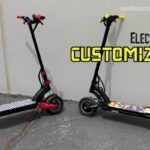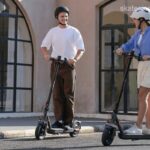
In this article, we will delve into the essential differences between electric scooters and e-bikes, aiding you in making a well-informed choice that aligns with your needs. We will examine various factors including cost, range, speed, and practicality for different lifestyles. Furthermore, we will offer ideas and suggestions to contemplate when deciding between these two popular forms of electric transportation.
Pros of Electric Scooters
Electric scooters have surged in popularity over the last few years, providing a convenient and eco-friendly mode of transportation. Here are some of the notable benefits of using scooters:
- Compact Size: Electric scooters are generally smaller and lighter than e-bikes, making them easier to maneuver in crowded urban areas.
- Easy Storage: Their compact design allows for easy storage in small spaces, such as apartments or offices.
- Lower Initial Cost: Generally, electric scooters tend to be less expensive than e-bikes, making them a more accessible option for many.
- Quick to Charge: Most electric scooters can be fully charged in a few hours, allowing for quick turnaround times for daily use.
Pros of E-Bikes
While electric scooters are convenient, e-bikes offer a unique set of advantages that cater to different types of commuters. Here are some key benefits of e-bikes:
- Longer Distances: E-bikes typically have a longer range than electric scooters, making them suitable for longer commutes.
- Pedal Assist: This feature allows riders to engage in physical activity while enjoying the benefits of electric assistance, promoting a healthier lifestyle.
- Comfortable Ride: E-bikes are generally designed with a more ergonomic seating position, providing greater comfort over longer rides.
- Enhanced Stability: With two wheels and a larger frame, e-bikes often provide better stability, especially at higher speeds.
Cost Comparison
When selecting between an electric scooter and an e-bike, pricing can be a crucial factor. Here’s a breakdown of the cost differences:
- Electric Scooters: Prices typically range from $300 to $1,200, depending on brand, features, and specifications.
- E-Bikes: E-bike prices usually start around $600 and can go up to $3,500 or more for high-end models.
While scooters can be more budget-friendly upfront, it’s essential to consider the long-term costs associated with each option, including maintenance and battery replacement.
Range and Battery Life
The range and battery life of electric scooters and e-bikes play a crucial role in their overall usability. Here’s a comparison:
- Electric Scooters: Generally, scooters provide a range of 15 to 30 miles on a full charge, which can vary based on the model and riding conditions.
- E-Bikes: E-bikes typically offer a range of 20 to 50 miles or even more, particularly when equipped with larger batteries or used in pedal-assist mode.
For those who commute daily, the range can be a pivotal factor, especially if you find yourself traveling longer distances.
Comfort and Convenience
User experience is essential when deciding between an electric scooter and an e-bike. Here are some key factors related to comfort and convenience:
- Seating: E-bikes typically come with comfortable seats, allowing for longer rides without discomfort, whereas scooters often require standing, which can be tiresome over time.
- Weather Protection: Some e-bikes include fenders and weather-resistant features, offering better protection during inclement weather.
- Carrying Capacity: E-bikes generally support cargo racks, enabling riders to transport groceries or other items with ease, while scooters usually provide limited storage options.
Legal Regulations
Both electric scooters and e-bikes are subject to various local laws and regulations. Here’s a brief overview:
- Electric Scooters: Many cities have specific regulations regarding speed limits, age restrictions, and where scooters can be ridden (i.e., bike lanes, sidewalks).
- E-Bikes: E-bike regulations can vary significantly, with some states categorizing them into different classes based on speed and power. Riders may need to adhere to specific laws about helmet use and where they can operate.
It’s essential to check local laws to ensure compliance and safety while riding.
Maintenance and Upkeep
Understanding the maintenance requirements of electric scooters and e-bikes is vital for long-term ownership. Here’s what to consider:
- Electric Scooters: Maintenance generally includes regular checks on the brakes, wheels, and battery. Tires may need inflation or replacement, especially if used frequently on rough terrain.
- E-Bikes: E-bikes require more extensive maintenance, including regular tune-ups for the gears and brakes, as well as battery care to ensure longevity.
Investing in regular maintenance can prolong the life of either option and ensure a more enjoyable riding experience.
Final Thoughts
In conclusion, both electric scooters and e-bikes offer unique benefits and considerations. Electric scooters are typically more affordable and compact, making them ideal for short urban commutes. On the other hand, e-bikes provide enhanced comfort, longer ranges, and the added benefit of physical activity.
Ultimately, your choice should depend on your specific needs, commuting distance, and budget. For more detailed information on various models and options, don’t forget to check out our product section on our website. Happy riding!