In this article, we will delve into the essential aspects of electric scooter specifications, assisting you in understanding what each term signifies and how it affects your riding experience. Whether you’re a first-time buyer or considering an upgrade to your current model, we will offer valuable insights and suggestions to empower you to make informed decisions. By the end, you’ll be equipped with the knowledge to read and interpret these specifications like a pro.
Understanding Key Specs
When it comes to electric scooters, comprehending the specifications can significantly improve your decision-making process. Whether you’re a first-time buyer or considering an upgrade, being aware of what to look for can save you both time and money. Below, we outline the essential features that you should take into account when assessing various models.
Motor Power Explained
One of the most critical specifications of an electric scooter is its motor power, usually measured in watts (W). The wattage of a scooter’s motor directly impacts its performance, including acceleration, maximum speed, and climbing ability.
- Low Power (250W – 350W): Suitable for flat terrains and light riders.
- Medium Power (350W – 500W): Good for moderate hills and heavier riders.
- High Power (500W and above): Ideal for steep hills and high-speed rides.
Choosing the right motor power can enhance your riding experience, ensuring that the scooter meets your commuting needs.
Battery Capacity Insights
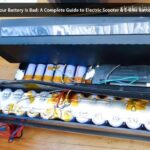
The battery capacity of an electric scooter is another crucial aspect to consider. Measured in amp-hours (Ah) or watt-hours (Wh), battery capacity determines both range and charging times. Understanding these elements will help you choose a scooter that fits your lifestyle.
- Range: The distance you can travel on a full charge. Most scooters offer a range of 15 to 40 miles, depending on the battery size and riding conditions.
- Charging Times: Typically ranging from 4 to 8 hours. Fast charging options are available in some models, allowing you to get back on the road quicker.
A scooter with a higher battery capacity may come at a premium, but the investment can pay off in terms of convenience and usability.
Weight and Portability Factors
When selecting an electric scooter, weight and portability are crucial factors to consider, particularly if you intend to take it on public transport or need to store it in compact areas.
- Lightweight Models: Typically weigh less than 30 pounds, making them easier to carry and navigate.
- Heavier Models: Provide enhanced stability and may feature additional functionalities but can be more challenging to transport.
Always verify the weight limit for carrying, as well as whether the scooter includes a folding mechanism for simpler storage.
Braking Systems Overview
Safety should be a top priority when selecting an electric scooter, and the braking system plays a significant role in ensuring that. The types of brakes can vary widely among models, affecting stopping power and rider confidence.
- Disc Brakes: Provide excellent stopping power and are commonly found in higher-end models.
- Drum Brakes: Offer decent performance and require less maintenance.
- Electronic Brakes: Often paired with regenerative systems, which can extend battery life but may not provide a strong stopping force in emergencies.
Consider your riding environment when selecting a braking system; urban areas may necessitate more robust brakes due to frequent stops.
Suspension Systems Explained
A good suspension system greatly enhances ride comfort, especially on bumpy or uneven surfaces. There are several types of suspension systems to consider when evaluating electric scooters.
- Front Suspension: Absorbs shocks from the front wheel, providing a smoother ride.
- Rear Suspension: Helps cushion the back of the scooter, enhancing overall stability.
- No Suspension: These models are often lighter and more compact but can lead to a rougher ride.
For a more enjoyable ride, look for scooters with at least front suspension, especially if you plan to ride on less-than-ideal surfaces.
Warranty and Support Considerations
When investing in an electric scooter, it is essential to consider the warranty and support offered by the manufacturer. A solid warranty can provide peace of mind and protect your investment.
- Length of Warranty: Many manufacturers offer warranties ranging from one to two years on parts and labor.
- Customer Support: Check if the company provides responsive customer service and support for troubleshooting.
- Repair and Replacement Policies: Understand how easy it is to get parts replaced or repaired if something goes wrong.
Choosing a manufacturer with a good reputation for support can significantly enhance your ownership experience.
Comparing Different Models
Once you have a clear understanding of the key specifications, it’s time to compare different models. Here are some tips for effective side-by-side evaluations:
- List Your Priorities: Determine what features are most important to you, such as speed, range, or weight.
- Use Comparison Tools: Many websites offer side-by-side comparison features to help you visualize the differences.
- Read Reviews: Customer reviews can provide insights into real-world performance and reliability.
- Visit Local Stores: If possible, test ride different models to get a feel for their handling and comfort.
By following these tips, you can make a more informed choice, ensuring that your new electric scooter meets your needs and expectations.
For more information on electric scooters and to explore our product section, visit our website.